


January 15, 2026
How weed harms the crops?
How Weeds Harm Crops: The Hidden Enemy in Our Fields
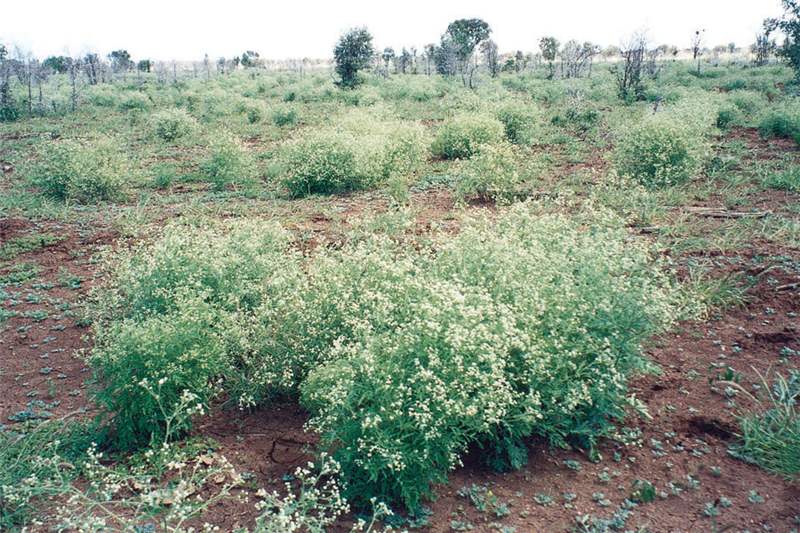
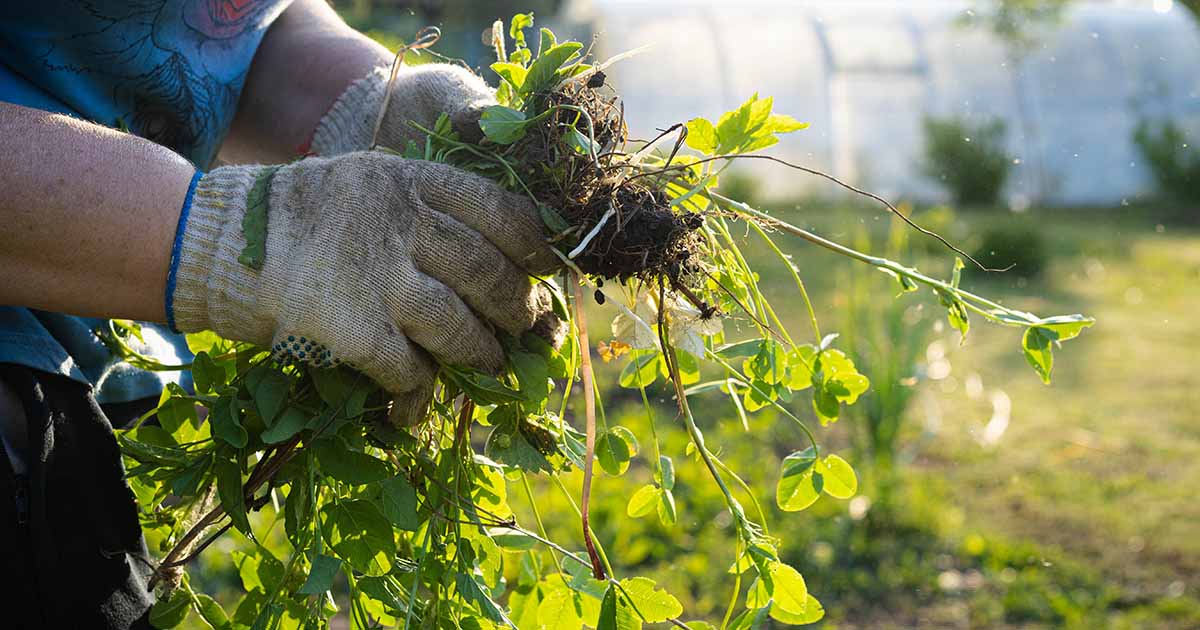
Weeds are often seen as just unwanted plants, but in reality, they are one of the biggest threats to crop productivity and farm profitability. Every year, weeds cause massive yield losses by competing with crops for essential resources—often before farmers even notice the damage.
Understanding how weeds harm crops is the first step toward controlling them effectively.
1. Competition for Nutrients, Water, and Sunlight
Weeds grow aggressively and absorb soil nutrients, moisture, and sunlight faster than crops. Since many weeds grow quicker in the early stages, they deprive young crops of the resources needed for healthy establishment.
📉 Result:
-
Stunted crop growth
-
Weak root systems
-
Lower yields
In some cases, uncontrolled weeds can reduce crop yield by 30–70%, especially during early growth stages.
2. Reduced Crop Quality
Even when crops survive weed pressure, the quality of the harvest suffers. Crops grown alongside weeds often produce:
-
Smaller grains or fruits
-
Uneven growth
-
Lower market value
For farmers, this directly affects income, even if total production looks acceptable.
3. Weeds Harbor Pests and Diseases
Many weeds act as hosts for insects, fungi, and plant pathogens. These pests can easily spread from weeds to crops, increasing the risk of:
-
Pest infestations
-
Plant diseases
-
Higher pesticide usage
This creates a cycle of dependency on chemicals, increasing costs and environmental damage.
4. Allelopathy: Chemical Warfare in the Soil
Some weeds release toxic chemicals into the soil that inhibit crop seed germination and growth. This phenomenon, called allelopathy, makes it harder for crops to establish—even when nutrients and water are sufficient.
🌱 Crops may appear weak or fail to germinate altogether.
5. Increased Cost and Labor for Farmers
Weeds force farmers to spend more on:
-
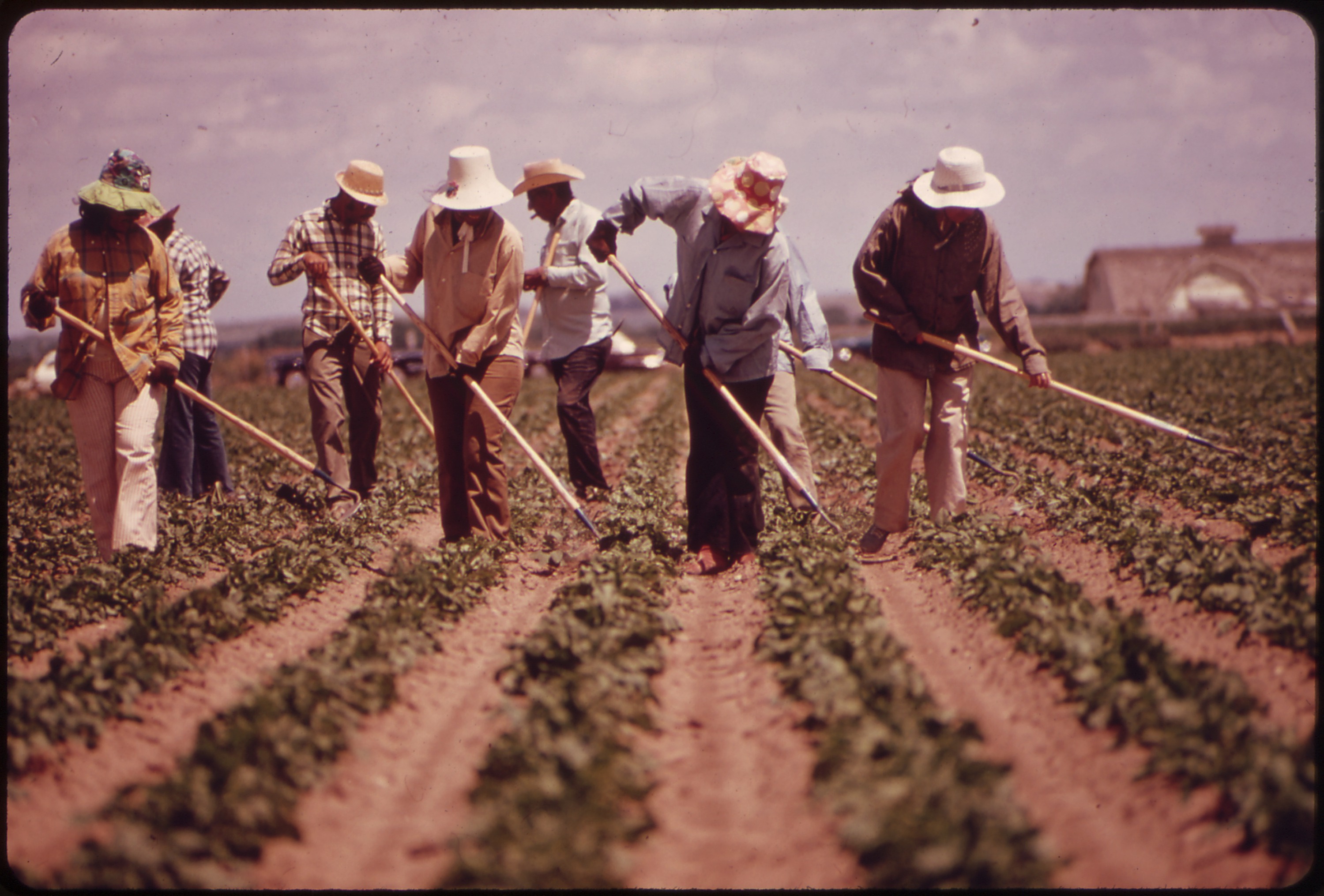
Manual weeding
-
Herbicides
-
Fuel and machinery
For small and marginal farmers, this added cost can make farming economically unsustainable.
6. Long-Term Soil and Farm Health Issues
Repeated chemical use for weed control can:
-
Degrade soil health
-
Reduce beneficial microorganisms
-
Lead to herbicide-resistant weeds
Over time, this makes weed management even more difficult and expensive.
Why Early and Precise Weed Control Matters
The first 20–40 days after sowing are critical. Weed competition during this period causes irreversible yield loss. Traditional methods—manual labor and blanket spraying—are either too costly, unsafe, or inefficient.
This is where precision weed control becomes essential.
Moving Toward Smarter Weed Management
Modern agriculture is shifting from chemical-heavy solutions to crop-safe, targeted, and sustainable technologies. AI-based weed detection and precision actuation allow farmers to eliminate weeds without harming crops or soil—reducing costs and protecting the environment.
At Mrittika Technologies, we believe weed control should be:
-
Precise, not excessive
-
Sustainable, not chemical-dependent
-
Accessible, not expensive
Because protecting crops means protecting the future of farming.
Conclusion
Weeds may seem small, but their impact is massive. By competing for resources, spreading diseases, and increasing costs, weeds silently reduce farm productivity. Effective weed management isn’t just about removal—it’s about doing it right, at the right time, and in the right way.