


January 23, 2026
Common Weeds Found in Indian Farms and How to Control Them
Common Weeds Found in Indian Farms and How to Control Them
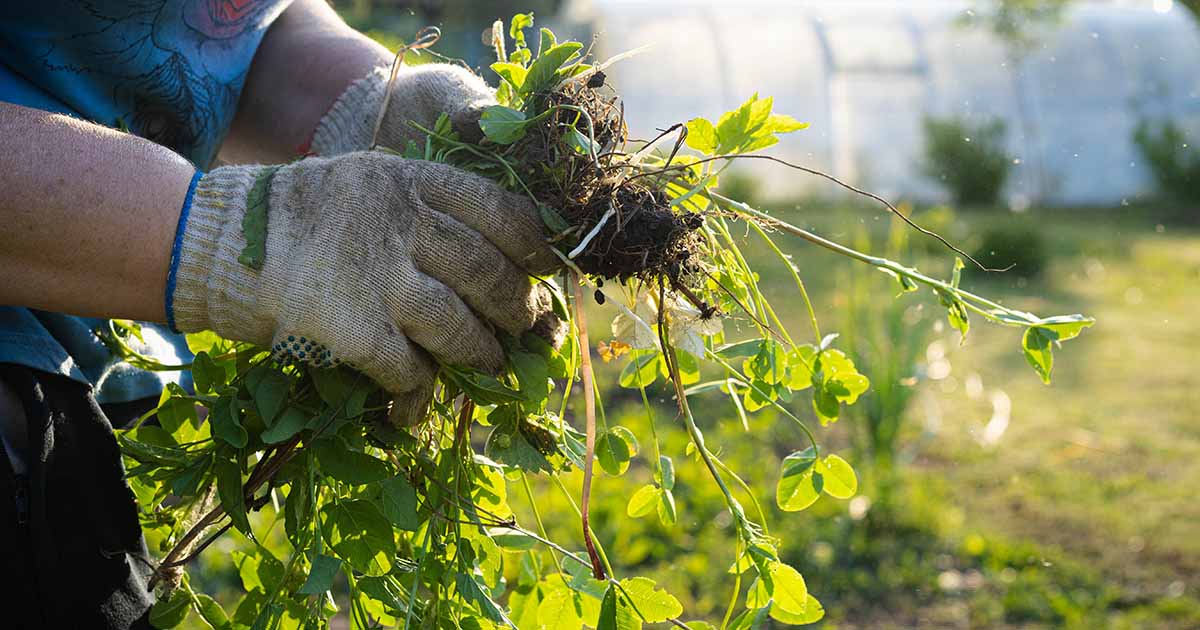
Weeds are one of the biggest challenges faced by Indian farmers. They grow faster than crops, compete aggressively for nutrients and water, and can reduce crop yield significantly if not controlled at the right time.
Different crops and regions in India face different weed problems—but understanding the most common weeds and their control methods helps farmers make better decisions and reduce losses.
Why Weed Identification Is Important
Not all weeds behave the same way. Some spread rapidly through seeds, others through roots or runners. Effective weed management in agriculture begins with identifying the weed correctly and choosing the right control method.
Incorrect or delayed control often increases weed control cost and reduces farm profitability.
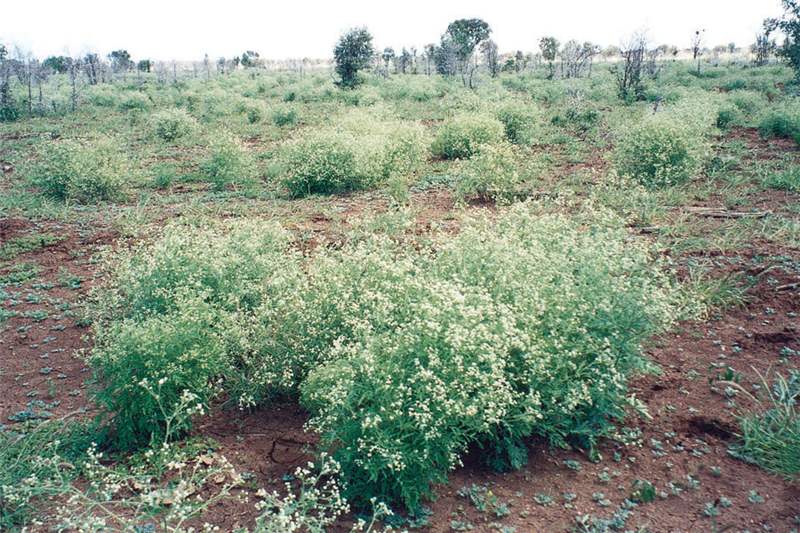
1. Parthenium (Congress Grass)
Scientific name: Parthenium hysterophorus
Common areas: Roadsides, fallow land, crop fields
Why it is harmful:
-
Competes aggressively with crops
-
Causes soil nutrient depletion
-
Harmful to human and animal health
How to control:
-
Early-stage manual removal (with safety precautions)
-
Mulching to suppress growth
-
Targeted, non-chemical weed control methods
2. Cyperus rotundus (Nut Grass)
Scientific name: Cyperus rotundus
Common crops affected: Paddy, sugarcane, vegetables
Why it is harmful:
-
Spreads through underground tubers
-
Extremely difficult to eliminate once established
-
Regrows even after cutting
How to control:
-
Deep, targeted weed removal at growth point
-
Avoid shallow tillage
-
Precision weed control instead of blanket spraying
3. Echinochloa (Barnyard Grass)
Scientific name: Echinochloa crus-galli
Common crops affected: Rice, maize
Why it is harmful:
-
Closely resembles crop plants (hard to identify early)
-
Competes for nutrients during early crop stages
-
Causes major yield loss in paddy fields
How to control:
-
Early weed detection
-
Timely mechanical or precision control
-
Maintaining proper crop spacing
4. Amaranthus (Pigweed)
Scientific name: Amaranthus spp.
Common crops affected: Pulses, oilseeds, vegetables
Why it is harmful:
-
Rapid growth and seed production
-
Competes strongly for sunlight
-
Reduces crop quality
How to control:
-
Early-stage weed control is critical
-
Mulching and crop rotation
-
Targeted weed control without excessive chemical use
5. Chenopodium album (Bathua)
Scientific name: Chenopodium album
Common crops affected: Wheat, mustard
Why it is harmful:
-
High nutrient uptake from soil
-
Interferes with crop root development
How to control:
-
Mechanical or precision weed control
-
Timely removal before flowering
-
Avoid delayed weeding
6. Cynodon dactylon (Bermuda Grass)
Scientific name: Cynodon dactylon
Common crops affected: Orchards, vegetables, field crops
Why it is harmful:
-
Spreads rapidly through runners
-
Difficult to remove completely
-
Competes for water and nutrients
How to control:
-
Root-level weed control
-
Repeated targeted treatment
-
Sustainable weed management practices
Best Time to Control Weeds in Indian Farms
The first 20–40 days after sowing are the most critical. Weed competition during this stage causes irreversible crop yield loss.
Early and precise weed control:
-
Reduces overall weed control cost
-
Protects crop growth
-
Improves input efficiency
Limitations of Traditional Weed Control Methods
-
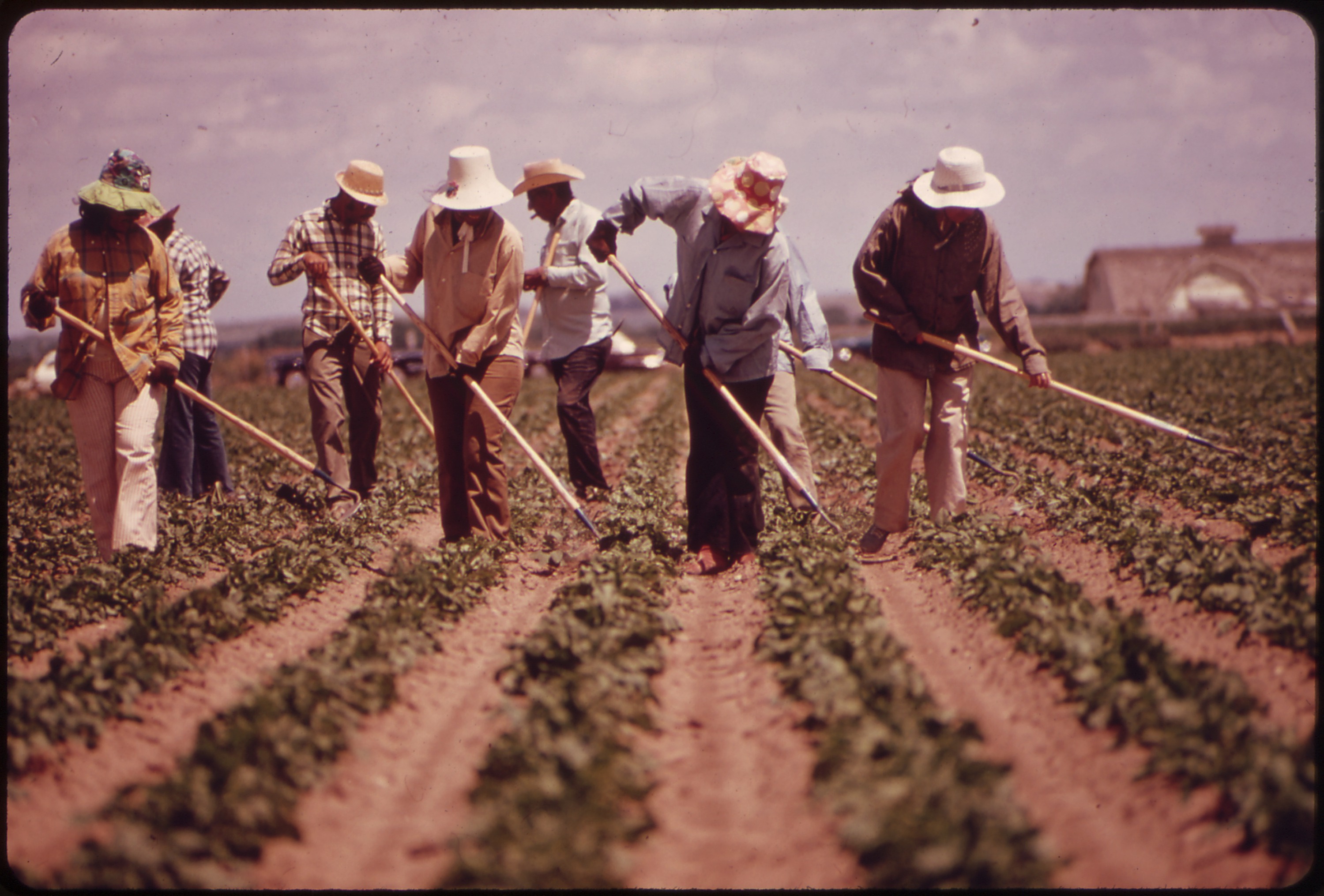
Manual weeding is labor-intensive and costly
-
Chemical weed control leads to resistance and soil damage
-
Blanket spraying wastes resources and harms crops
These challenges highlight the need for precision weed control in Indian agriculture.
Moving Toward Smarter Weed Management
Modern farming requires solutions that are:
-
Crop-safe
-
Non-chemical
-
Affordable for small farmers
Technologies using AI-based weed detection and targeted actuation enable weed control without herbicides, reducing environmental impact while improving efficiency.
At Mrittika Technologies, our approach focuses on sustainable weed management that works with the soil—not against it.
Conclusion
Weeds are a serious threat to Indian agriculture, but they can be controlled effectively with the right knowledge and timing. Identifying common weeds and applying precise control methods helps farmers reduce costs, protect crops, and improve yields.
🌱 Healthy crops begin with timely and intelligent weed control.